
Financial and Tax Benefits of Marriage in the UK

Updated: Sep 1

Romantic. Yes. But also one of the smartest financial decisions you can make. (information correct at the time of publishing. Please check latest government official information for accuracy)
For years we have heard the phrase, “It is just a piece of paper.” but if you live in the UK, it is not.
In the UK, marriage is a legal and financial framework. And for couples marrying later in life, it can be one of the most strategic decisions you make.
We talk endlessly about the cost of weddings. Rarely do we talk about the financial value of marriage itself. They are not the same thing.
What are the Financial benefits of Marriage in the UK?
When you marry, you gain protections that unmarried couples simply do not have. For example, there is an inheritance tax exemption for married couples in the UK, meaning assets passed between spouses are not taxed on first death. That alone can preserve significant wealth within a family.
Unused inheritance tax allowances can be transferred to a surviving spouse, potentially doubling the available threshold and assets can often be transferred between spouses without triggering capital gains tax.
Many pension schemes prioritise legal spouses in ways that cohabiting partners do not automatically benefit from.
This is not romantic fluff. This is structural protection.
Why this matters more when you marry later in life
If you are marrying in your forties, fifties or beyond, you are unlikely to be starting from scratch.
You may have property. Equity. Savings. Investments. Pensions. Adult children. Perhaps a business. If so, you have something worth protecting.
Marriage, in this context, is not simply a declaration of love. It is a declaration of security.
It says, I choose you. And I am protecting you.

Does this mean you should spend £40,000 on a wedding?
NO. The legal act of marriage and the scale of the celebration are two completely separate decisions.
You can marry quietly and still gain the financial framework. You can celebrate intimately. You can host a dinner instead of a ballroom. You can choose elegance over excess.
Or you can go all in and create something extraordinary because you want to.
But the value is not measured by the spend. It is measured by the intention.
Mature weddings are powerful because they are chosen. Considered. Conscious.
When you are younger, marriage feels romantic. When you are older, it is romantic and practical. That combination is strong
Instead of asking whether weddings are “worth it”, perhaps the better question is whether protecting the person you love is worth it.
Marriage is not outdated. Thinking it is just symbolic is.
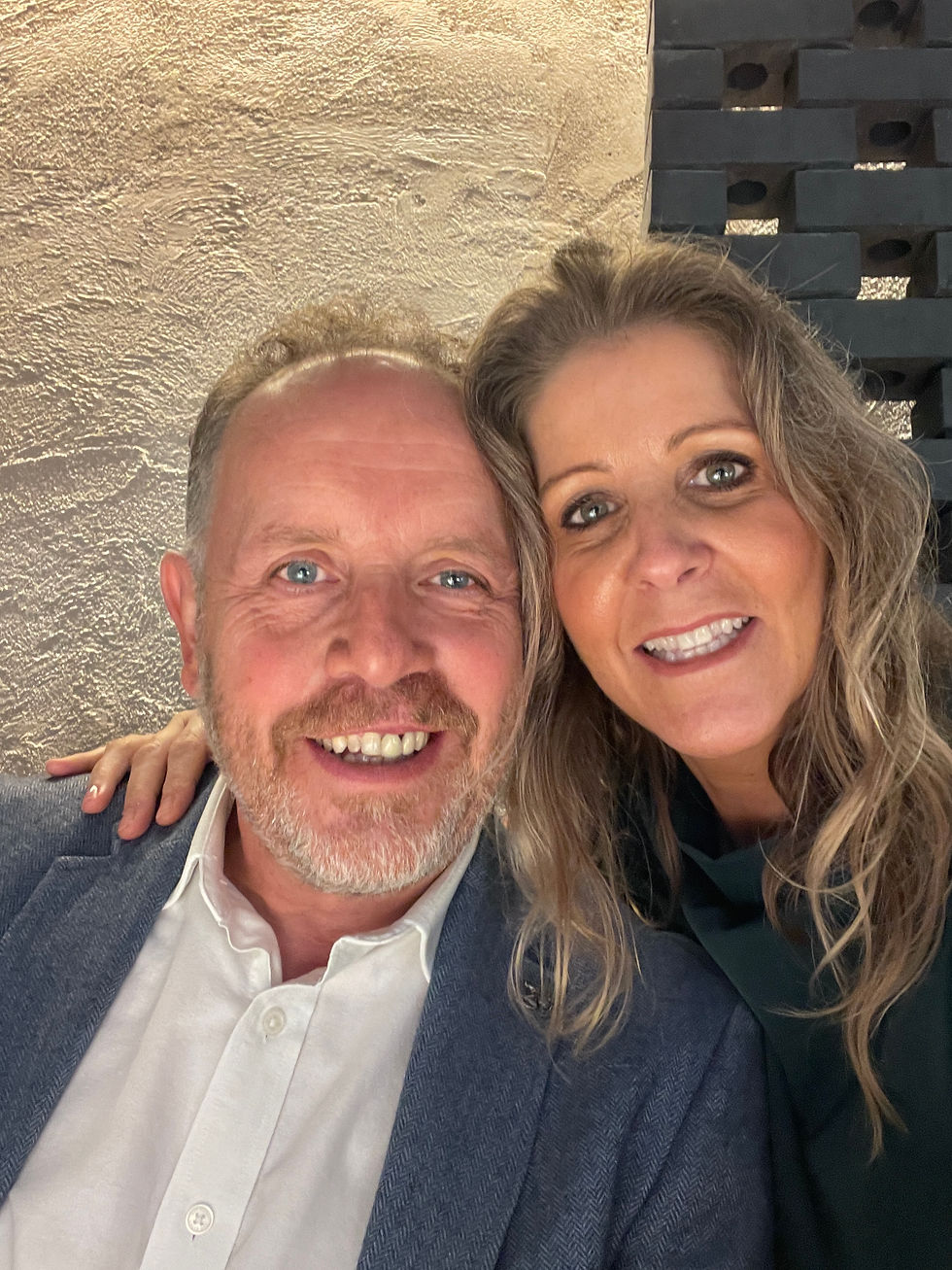
A personal perspective
You are not marrying because it is expected. You are marrying because you understand what it means.
I am now 55. I have been with my partner for over ten years. We dated when I was 19 for around 3 years, then life took it's course before bringing us back together.
We still live in separate houses. He has four children. We do not need a wedding to validate our relationship, we now we are strong, but the conversation shifts at this stage in life.
It becomes less about proving commitment and more about protecting each other.
We both have assets. Homes. Savings. Things we have worked for over decades. Tax has already been paid on that income. The idea of a significant portion being taxed again unnecessarily, simply because we are not legally married, does not sit comfortably.
This is not about avoiding responsibility. It is about understanding the legal framework we are operating within.
If one of us were to die, the financial consequences of remaining unmarried would be very different from those of being spouses. Inheritance tax rules change. Allowances change. Protections change.
When children are involved, especially adult children from previous relationships, clarity matters even more.
Marriage at this stage becomes less about the white dress and more about structure. Less about romance. More about responsibility.
That does not make it unromantic. It makes it mature.

And here we are as teenagers.
We were not ready then. We had lives to live and lessons to learn. But somehow, we still found our way back.
To get all the correct financials, see what Martin Lewis says about this here.
See our other blog about marrying later in life


Comments